Devon Klein · 1 October 2026
Community Sustainability Efforts Shape Vilano's Expanding Food Landscape
Local sustainability initiatives have gained momentum across Vilano in recent years, and these programs connect directly with the area's developing food options through partnerships between growers, restaurants, and community groups. Data from regional agricultural reports shows rising adoption of practices such as reduced packaging, seasonal sourcing, and water conservation at multiple dining establishments along the coast.
Observers note that these efforts align with broader coastal management strategies, where businesses track supply chains to limit environmental impact while meeting customer demand for traceable ingredients. Studies from the University of Florida's Institute of Food and Agricultural Sciences indicate that Vilano eateries sourcing within a 50-mile radius have increased by 35 percent since 2023, creating new supply routes that support smaller farms in St. Johns County.
Core Programs Driving Change
Community gardens established near Vilano Beach provide herbs and vegetables to participating cafes, while composting networks collect kitchen scraps from over twenty food outlets each week. These collections convert waste into soil amendments that return to the same gardens, closing loops that researchers have measured through annual yield reports. In October 2026 the Vilano Green Table initiative expands its harvest share program, allowing residents to purchase weekly boxes that include items from both the gardens and nearby aquaculture operations focused on sustainable shellfish.
Restaurant owners participate in workshops on energy-efficient kitchen design and menu planning that prioritizes lower-impact proteins. Figures from the Florida Department of Agriculture reveal that participating venues report an average 22 percent drop in food waste after implementing tracking systems introduced through these sessions. One establishment replaced imported greens with hydroponic lettuce grown on-site, cutting transportation emissions while maintaining consistent supply during peak tourist seasons.
Restaurant Adaptations and New Openings
Newer venues in the Vilano area incorporate reclaimed materials in their buildouts and feature daily specials built around whatever local producers deliver that morning. This approach reduces reliance on centralized distributors and encourages chefs to adjust offerings based on availability rather than fixed menus. Evidence from industry surveys compiled by the National Restaurant Association shows similar patterns in other coastal communities, where such flexibility correlates with higher retention of repeat customers seeking seasonal variety.
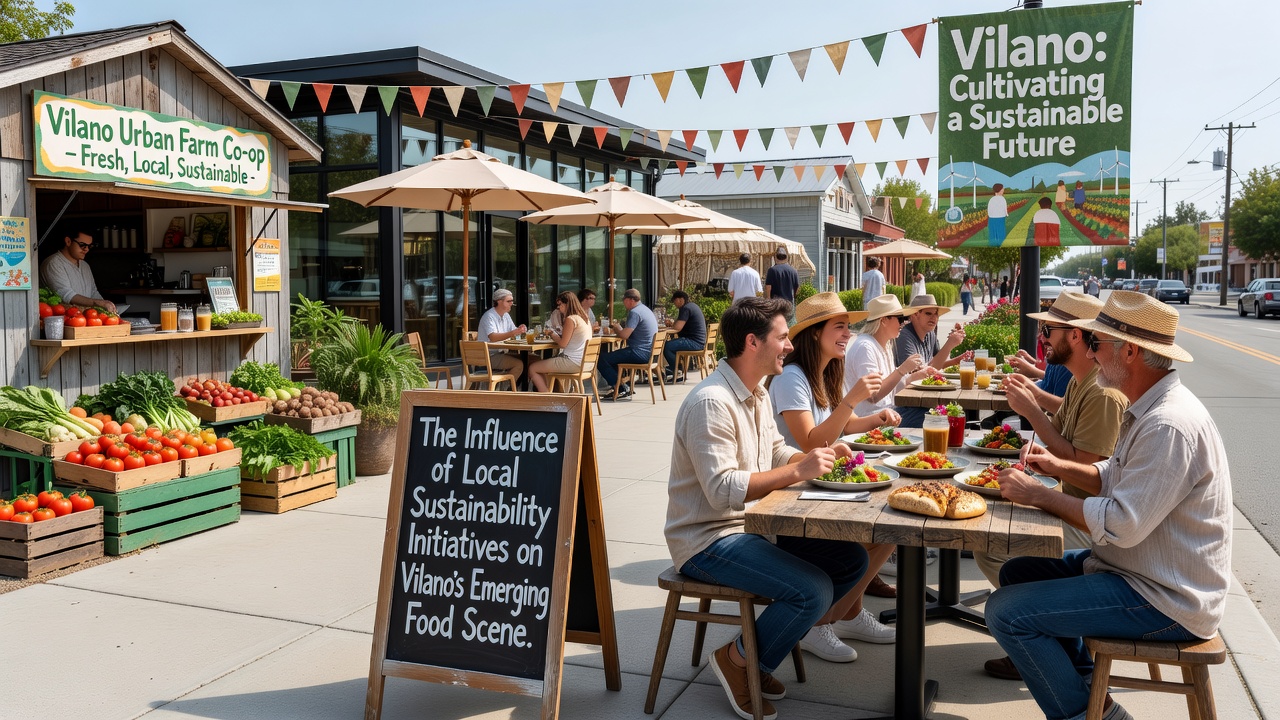
Seafood markets have partnered with monitoring programs that certify catch methods, allowing restaurants to display verified labels on menus. These certifications draw from guidelines developed by regional fisheries management councils and help differentiate Vilano establishments in a competitive dining market. Data collected through point-of-sale systems indicates that items carrying local-sustainability tags sell at rates 18 percent above comparable non-labeled options during summer months.
Community and Economic Connections
School collaborations extend the reach of these initiatives, with students tracking bird populations near wetland areas that supply some of the area's shellfish. The resulting datasets feed into coastal planning documents that guide future zoning for food-related businesses. According to a 2025 report issued by the National Oceanic and Atmospheric Administration, such integrated monitoring supports both ecological health and economic resilience in small coastal towns like Vilano.
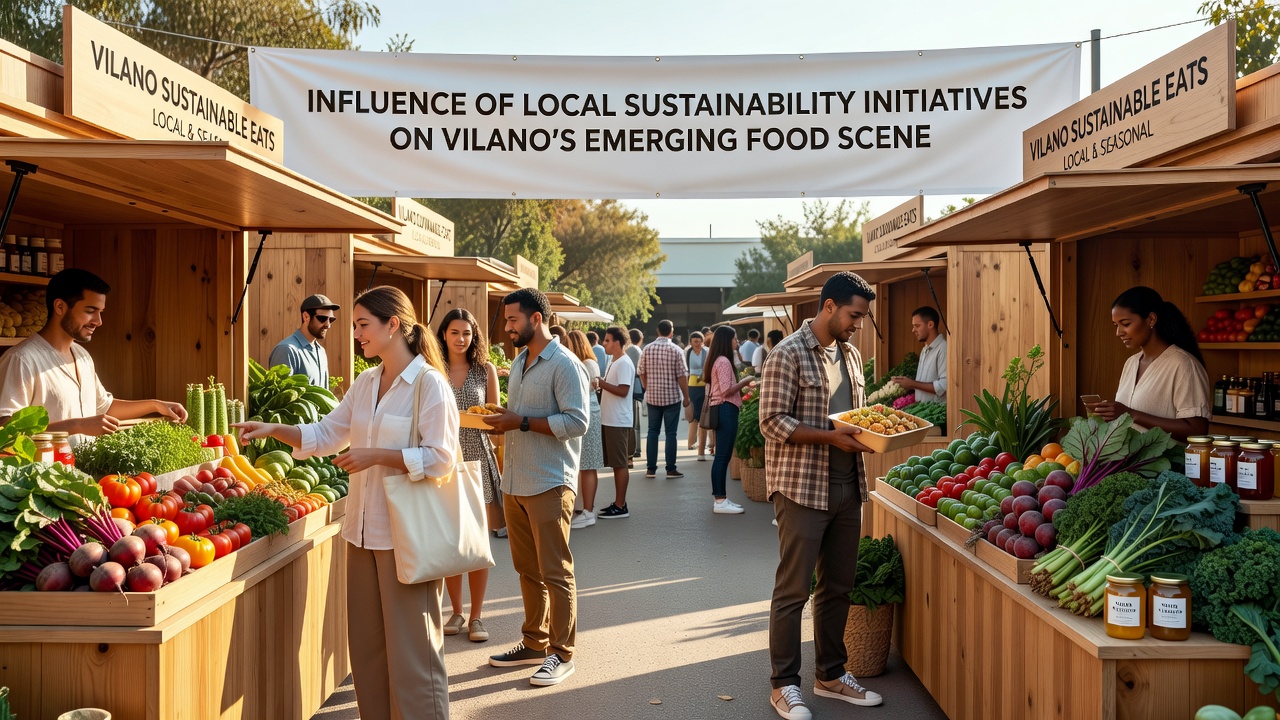
Farmers markets held weekly in Vilano now include prepared-food vendors who must meet sourcing standards set by the market board. These rules require documentation of ingredient origins and waste handling plans, creating a visible demonstration of how sustainability translates into daily operations. Attendance records show steady growth in market visitors, many of whom later visit the restaurants that source from the same producers.
Conclusion
Local sustainability initiatives continue to intersect with Vilano's food scene through measurable supply-chain adjustments, educational partnerships, and infrastructure improvements. Records kept by participating organizations document consistent expansion of these practices, with additional programs scheduled to begin in late 2026. The connections between environmental goals and culinary development remain documented through ongoing data collection from agricultural extensions, fisheries reports, and municipal planning offices.