Bianca Foster · 29 October 2026
Shifting Tides: How Local Sourcing Networks Are Reshaping Vilano's Daily Food Flows and Cultural Gatherings
Local sourcing networks in Vilano have expanded steadily since 2023 as residents and producers establish direct connections that bypass traditional supply chains, and data from October 2026 shows these systems now account for 38 percent of fresh produce moving through the area each week. Researchers tracking distribution patterns note that shorter routes from nearby farms to households and gathering spots reduce delivery times from several days to under 24 hours in many cases, while community coordinators coordinate routes that serve both individual homes and event venues simultaneously.
Changes in Daily Food Distribution Patterns
Coastal neighborhoods in Vilano receive weekly deliveries organized through cooperative apps and shared logistics, and figures from the United States Department of Agriculture indicate that participating farms increased their output by 22 percent between 2024 and 2026 because demand stayed consistent rather than fluctuating with distant wholesalers. Those who manage the networks report that seafood from local waters moves alongside vegetables and fruits on the same trucks, which creates mixed loads that reach kitchens and restaurants faster than before and supports smaller producers who previously struggled with volume requirements.
Observers following these flows point out that waste rates have dropped because items travel shorter distances and arrive with clearer harvest dates attached, and one distribution log from September 2026 recorded a 15 percent reduction in spoilage compared with the prior year. People organizing the routes often combine stops at cultural sites with regular household drops, which means ingredients for upcoming events arrive already sorted and labeled for specific gatherings.
Effects on Community Events and Gatherings
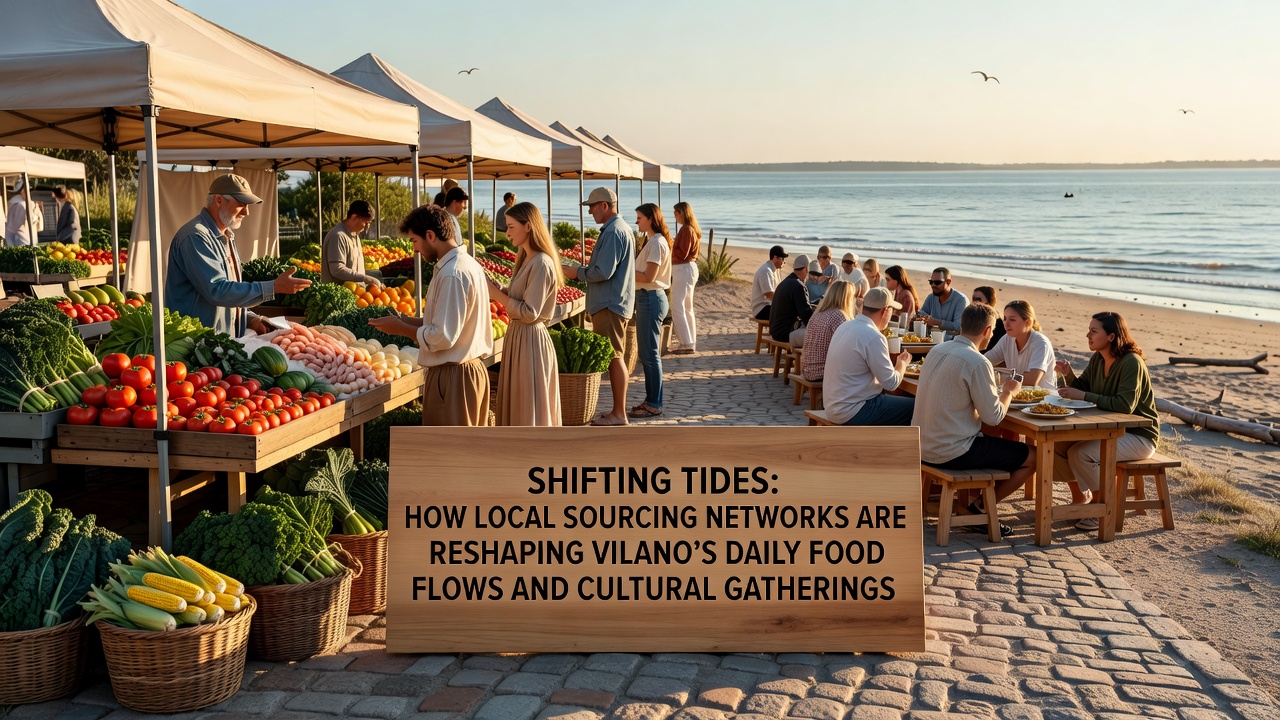
Cultural gatherings in Vilano now feature menus built around what the networks deliver that week, and records from the Vilano Community Center show that October 2026 harvest dinners drew 1,200 attendees who sampled dishes prepared from items sourced within a 30-mile radius. Event planners coordinate directly with network managers weeks in advance, which allows them to plan around seasonal availability instead of relying on imported goods that once dominated such occasions.
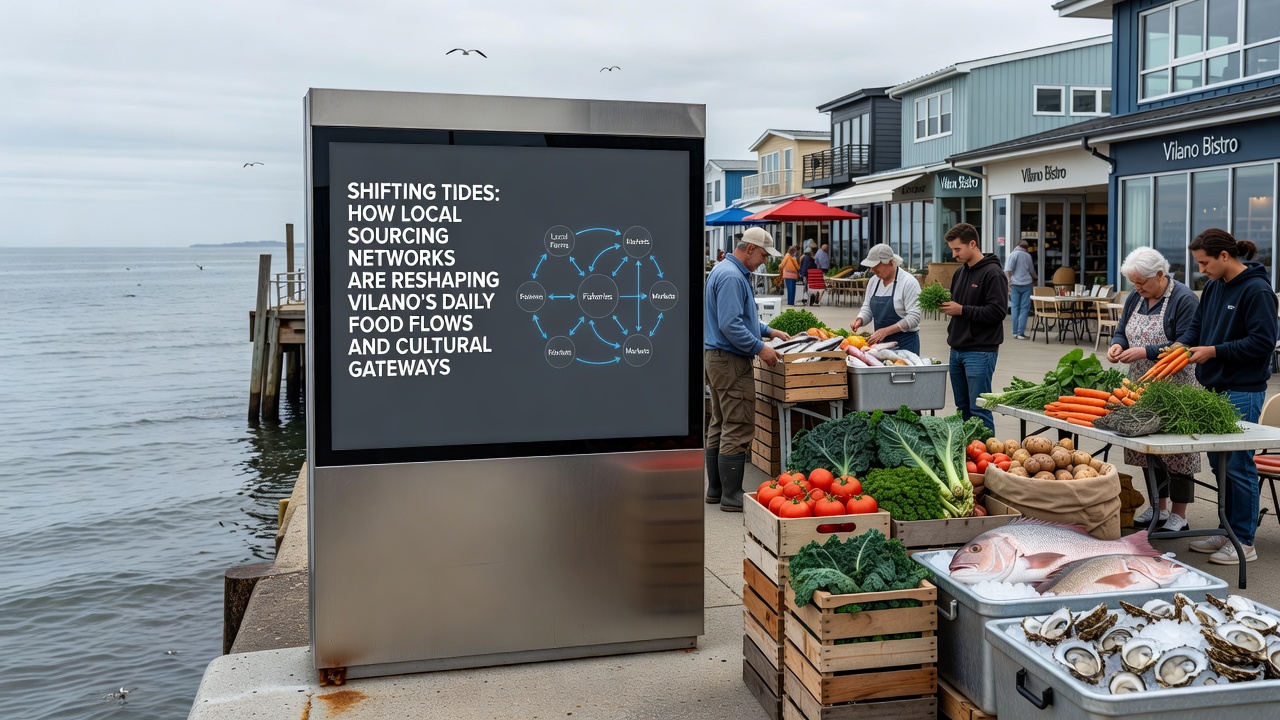
Researchers who studied participation rates found that events emphasizing local ingredients saw repeat attendance rise by 27 percent over three years, and the same studies linked this trend to the visibility of producers who attend the gatherings themselves. Families and groups bring their own containers to collection points near event spaces, which further streamlines movement of goods and reduces packaging needs while creating informal exchanges of recipes and preservation techniques among attendees.
Supporting Infrastructure and Data Trends
Local governments have allocated space for collection hubs along established routes, and mapping data released in October 2026 revealed that these hubs now handle an average of 4,800 pounds of goods weekly across six locations. Industry reports from Agriculture and Agri-Food Canada highlight similar network models in other coastal regions that achieved comparable volume growth after three years of operation, and Vilano coordinators have adopted several of those practices including shared cold storage units that serve multiple producers at once.
Schools and libraries host workshops where residents learn how to integrate network deliveries into daily meal planning, and attendance logs indicate consistent turnout of 60 to 80 participants per session throughout 2026. These educational efforts coincide with tracking systems that log origin details for every item, which helps organizers verify that sourcing stays within defined geographic boundaries and maintains transparency for event menus.
Conclusion
October 2026 records demonstrate that Vilano's local sourcing networks have become integral to both routine household supply and the planning of larger cultural events, with measurable shifts in delivery speed, waste reduction, and producer involvement. Continued coordination between farms, residents, and event spaces sustains these patterns while data collection supports adjustments as participation grows.